The short answer: wipe leather down with a barely damp cloth, let it dry away from heat, and condition it two to four times a year. Never use household cleaners, never soak it, and never dry it on a radiator. Most leather damage is caused by over-treatment, not neglect.
Leather is skin. It responds to the same two things your own skin does — it dries out when stripped of oil, and it is damaged by too much water and too much heat. Almost every care mistake comes from forgetting one of those.
The basic routine
Every few weeks: dry wipe
Use a soft, dry, lint-free cloth and wipe the surface. This removes the grit that otherwise grinds into the finish as the leather flexes. On a bag this matters most at the corners and the base; on a belt, along the fold near the buckle.
When it looks dull: damp clean
Dampen a cloth with clean water — wring it until it feels almost dry — and wipe gently in circular motions. Then let the piece air-dry at room temperature. That is the whole process for routine cleaning.
If water alone is not enough, use a dedicated leather cleaner or a very small amount of pH-neutral soap on the cloth, never directly on the leather. Work up a light lather on the cloth first.
Two to four times a year: condition
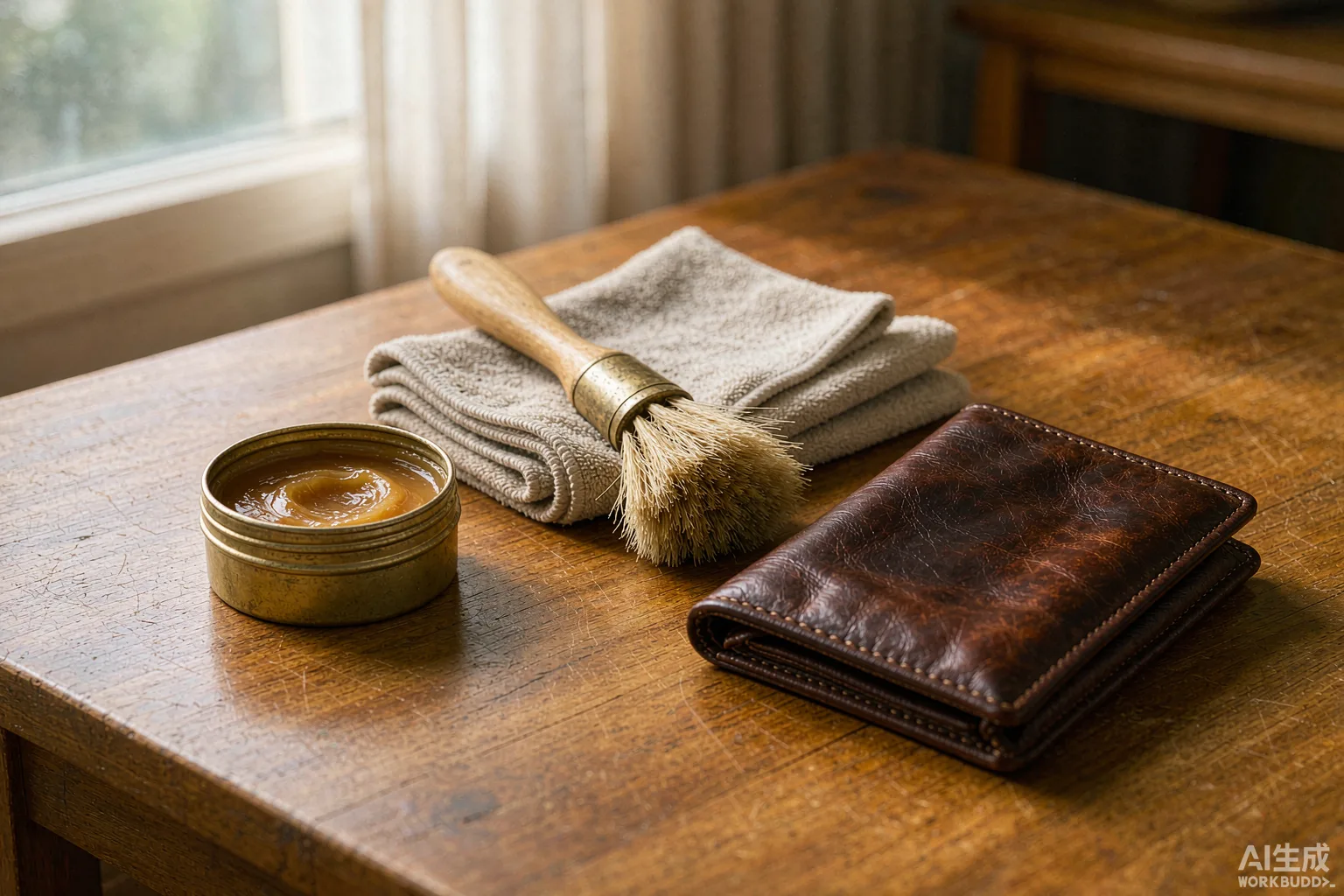
Conditioner replaces the oils that evaporate over time. Apply a small amount to a cloth, work it in thinly, let it absorb for fifteen minutes, then buff off anything left on the surface.
What not to do
| Mistake | What actually happens |
|---|---|
| Household cleaners, baby wipes, vinegar | Strip the finish and the oils. Vinegar and alcohol dry the fibre and can leave permanent light patches. |
| Drying on a radiator or with a hairdryer | Fast, uneven heat pulls moisture out of the leather faster than it can move through the fibre. The leather stiffens and can crack. |
| Soaking to remove a stain | Water drives the stain deeper and leaves a tide mark as it dries. |
| Over-conditioning | Leather can only absorb so much oil. Excess sits on the surface, attracts dust, and can darken the piece unevenly. |
| Storing in plastic | Traps moisture and encourages mould. Leather needs to breathe. |
Care by product type
Belts
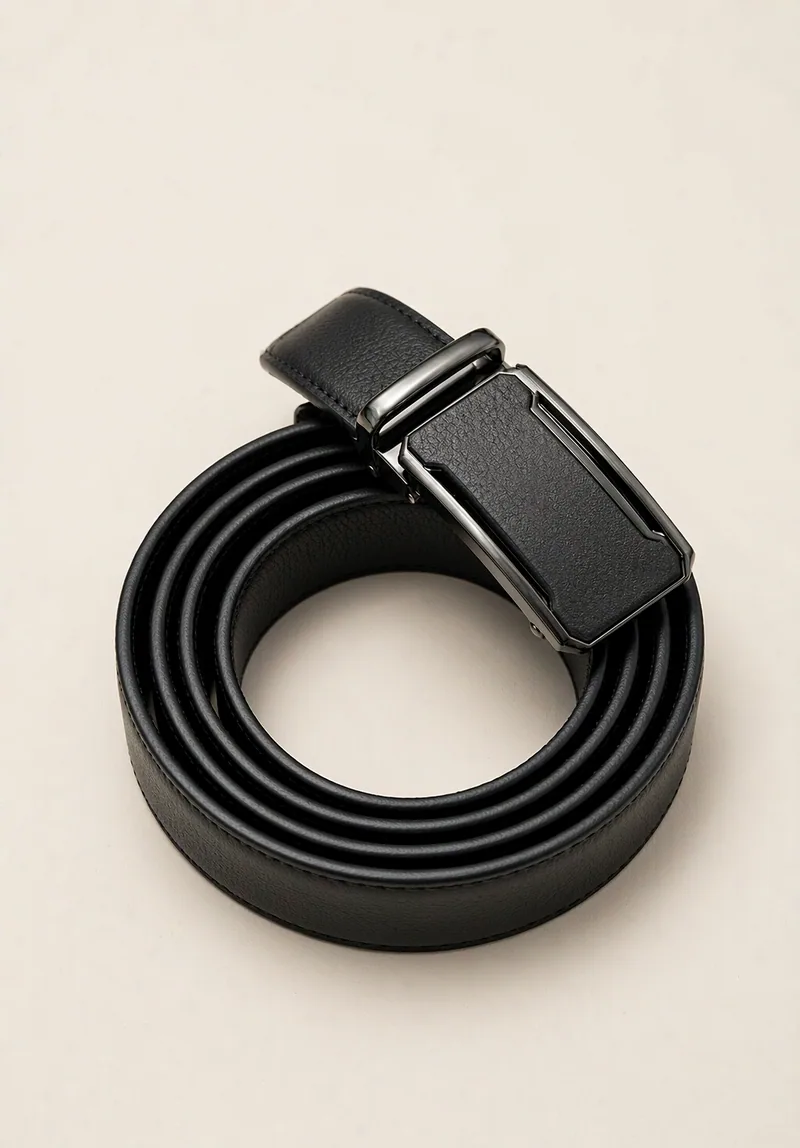
A belt is under tension daily, so the wear concentrates at the holes and the fold by the buckle. Wipe the strap occasionally and condition it once or twice a year. Hang it or roll it loosely — do not fold it sharply at the same point every time, because that crease will become permanent. If the holes start to elongate, the strap is telling you it is too thin for the load, not that it needs more conditioner.
Handbags
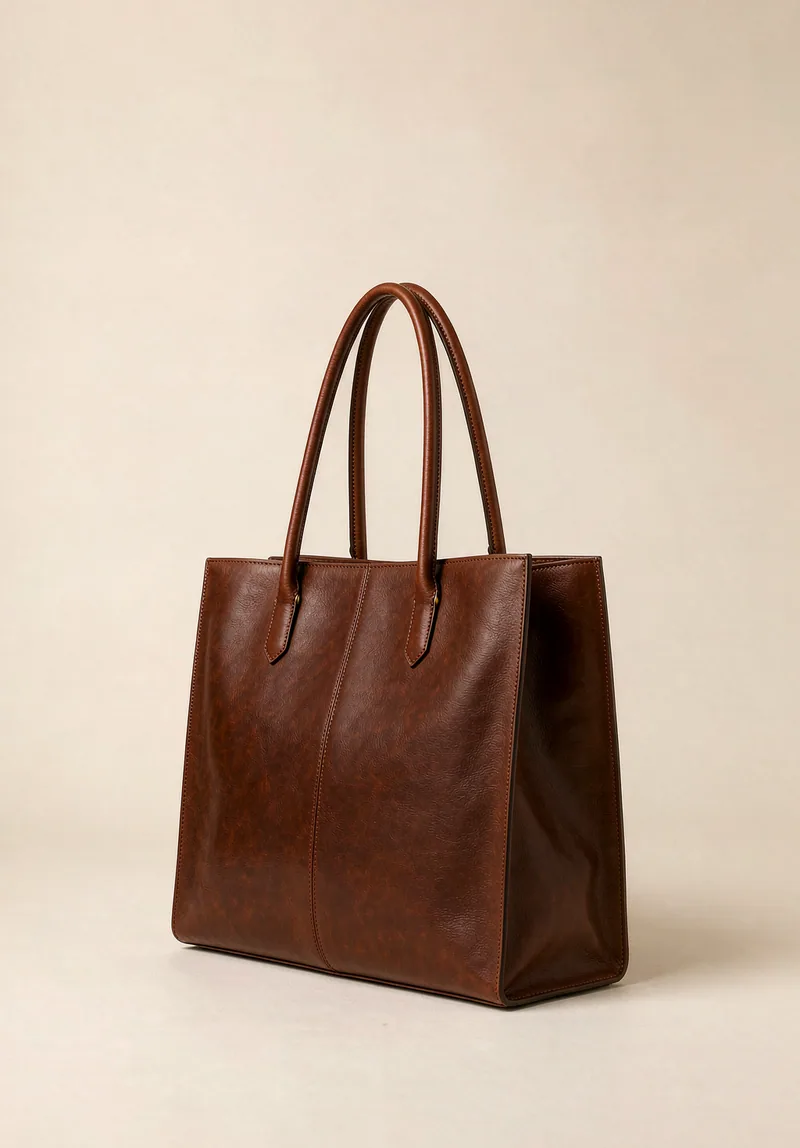
Bags fail at the handles, the corners and the base first. Empty the bag and turn it out occasionally to remove the grit that collects at the bottom and abrades the lining. Keep the piece stuffed with acid-free tissue when you are not using it so it holds its shape, and store it in the dust bag rather than hung by its handles — handles stretch under the bag's own empty weight over time.
Wallets
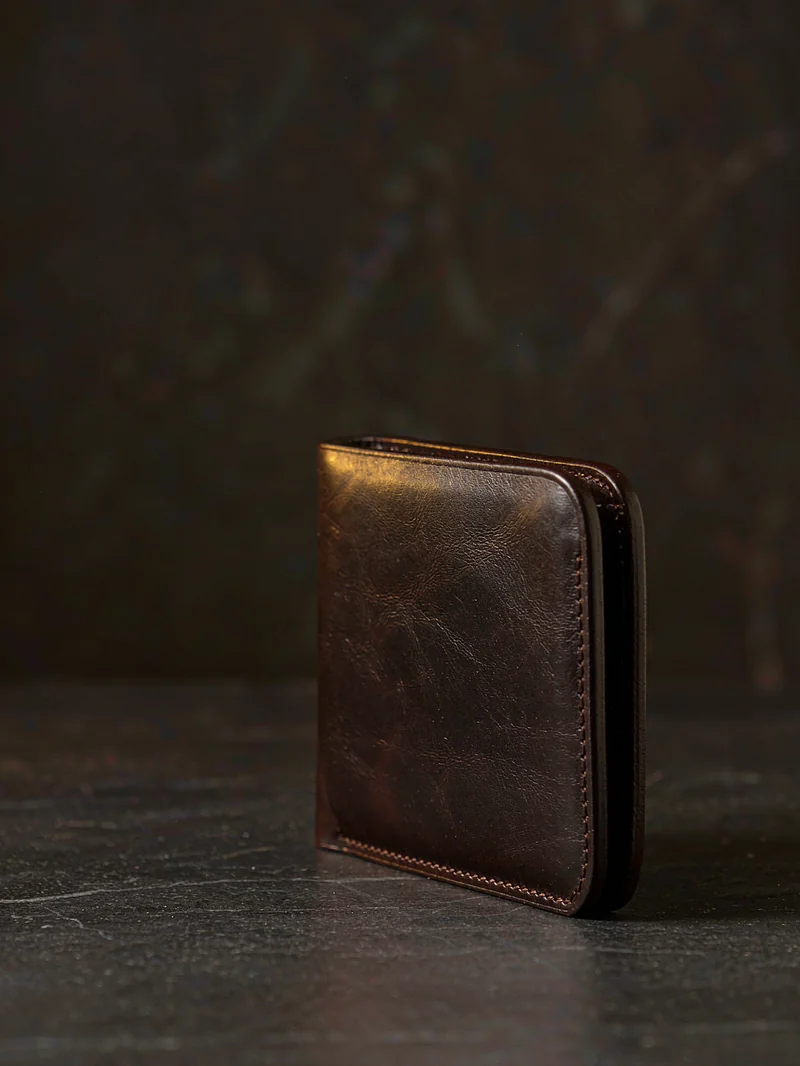
A wallet lives in a pocket, which is warm, damp and tightly compressed — the worst environment for leather. Take it out at the end of the day, let it air, and resist overfilling it. A wallet stuffed to twice its intended thickness will permanently stretch the leather and open the stitch line.
Leather shoes
Let shoes dry for a day between wears so the moisture from your foot can leave the leather. Use shoe trees: they hold the shape and draw damp out of the toe. Condition the uppers, but keep heavy conditioner off the soles and the welt stitching.
Storage: the part people get wrong
- Cool and dry, out of direct sunlight. UV fades dye and dries the fibre.
- Air movement, not sealed plastic. A breathable dust bag is right; a sealed box or plastic bag is not.
- Stuffed, not flattened. Tissue or a soft cloth maintains the shape of a bag.
- Away from radiators and car dashboards. Heat is the fastest way to ruin leather.
Dealing with water and stains
If a piece gets genuinely wet, blot it with an absorbent cloth — do not rub — then let it dry slowly at room temperature, stuffed to hold its shape. Water on full-grain leather usually dries without a mark; on suede it will likely darken the nap until it is brushed out once dry.
For oil-based stains, do not apply water. Blot what you can, then leave it: oil often spreads and disperses into the leather over a day or two and becomes far less visible. Rubbing is what makes it permanent.
Frequently asked questions
How often should you condition leather?
Two to four times a year for most pieces in a temperate climate. Condition when the leather looks dull and feels dry rather than on a fixed schedule — a bag used daily in a dry heated office needs more than one stored in a wardrobe.
Can you use olive oil or coconut oil on leather?
No. Kitchen oils go rancid over time, which smells and can degrade the fibre. Use a conditioner formulated for leather.
How do you clean leather without leather cleaner?
A barely damp soft cloth is enough for routine dirt. For anything more, use a drop of pH-neutral hand soap worked into a lather on the cloth — never applied directly to the leather — then wipe with a clean damp cloth and air-dry.
Does leather darken over time?
Yes, and on vegetable-tanned leather this is the intended behaviour: sunlight, the oils from your hands and conditioning develop a patina that deepens the colour. Chrome-tanned leather is more colour-stable and darkens far less.
How do you remove mould from leather?
Wipe the surface with a dry cloth outdoors so spores do not spread, then wipe with a cloth barely dampened with a leather-safe cleaner. Dry thoroughly away from heat. Recurrence means the storage environment is too damp — fix the storage, not just the bag.