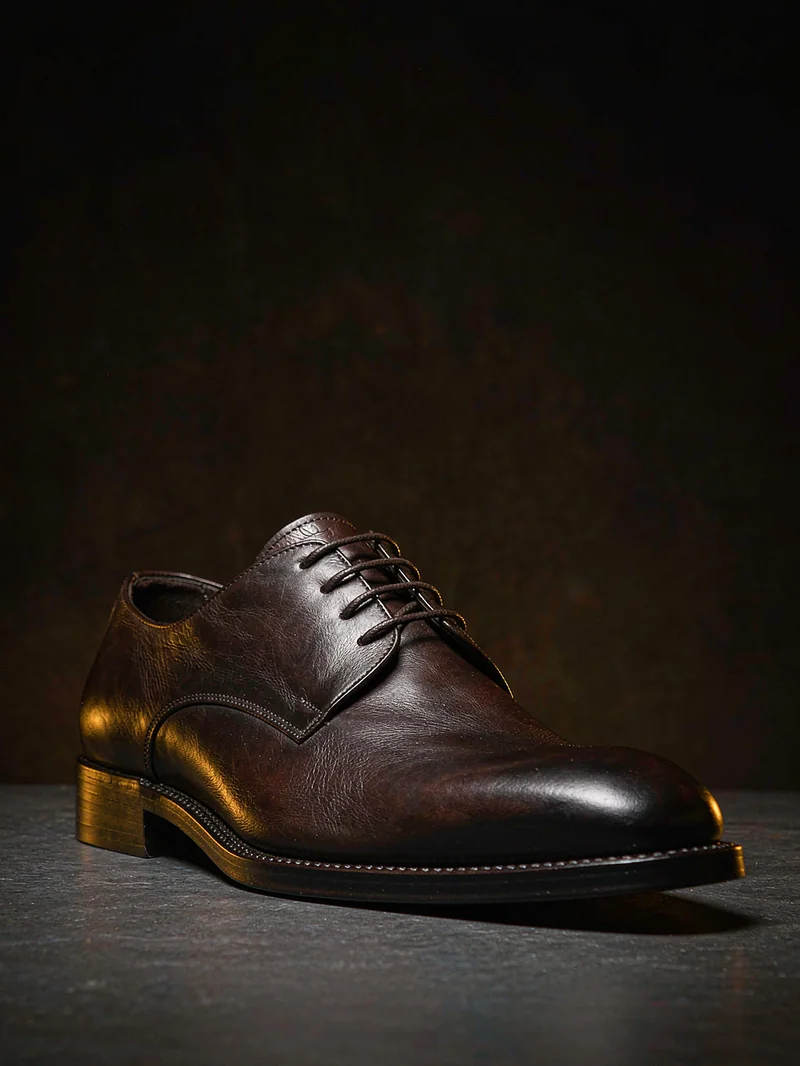
Our story does not begin with a handbag. It begins in a shoe workshop.
Long before Zhosie had a name or a logo, the people around us were already making footwear — cutting uppers, setting lasts and finishing soles for orders that shipped to Europe and beyond. Shoes are the family trade: three generations of it, and decades of experience supplying finished footwear to brands that put their own name on the box.
When we decided to build a leather atelier of our own, we did not start from zero. We started from everything that workshop had taught us.
What a shoe workshop teaches you about leather
Footwear is unforgiving. A handbag can hide a soft spot in a hide behind a lining; a shoe cannot. It has to bend thousands of times a day, hold its shape under a whole body's weight, and survive rain, salt and pavement. Shoemaking forces you to judge a hide before you cut it — by the tightness of the grain, the way it creases, the way it recovers.
That judgement is the real inheritance. It is why we can pick up a side of full-grain leather, fold it in our hands, and know whether it belongs on a tote, a belt, or a pair of shoes.
It also shapes how we work. In footwear, tolerance is measured in millimetres, and a stitch line that drifts by two of them is scrap. That standard came with us. Every Zhosie piece still passes through 47 individual steps, most of them by hand, most of them checked by the same person who began them.
Why we began with bags and belts
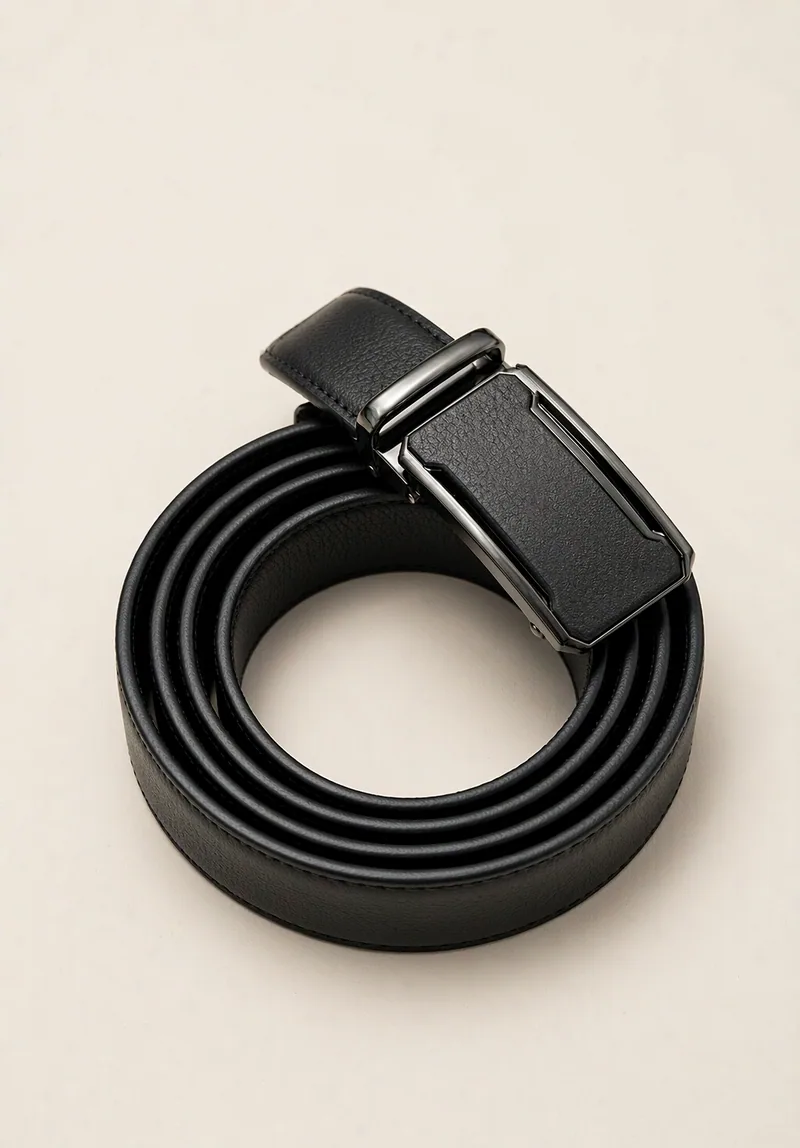
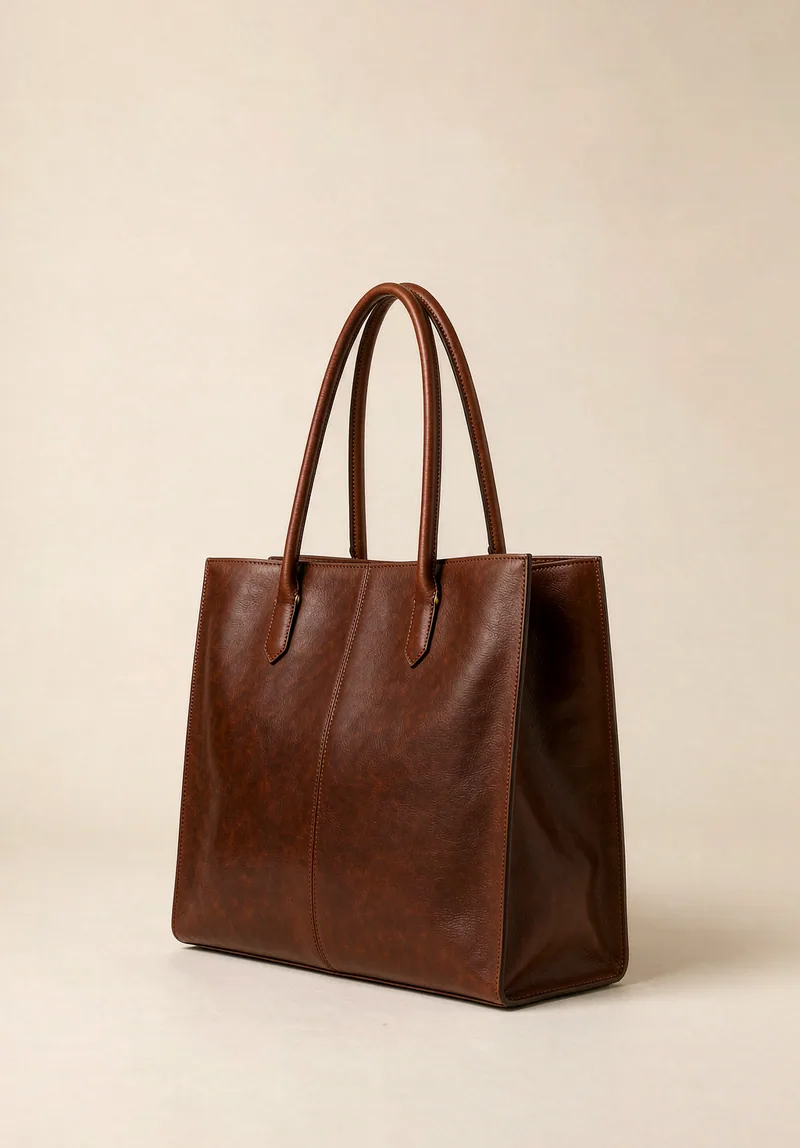
We chose handbags and belts first for a practical reason: they let us prove the leather before we asked anyone to trust us with a size.
A belt is the simplest honest test of a hide — one long cut, with nowhere to hide a flaw. A handbag is the opposite: structure, lining, hardware and edge finishing, all of it visible from every angle. Between the two, we learned how our leather behaves and how our workshop should run.
It also gave us time. Footwear needs lasts, sizing and a supply chain that behaves quite differently from accessories, and we would rather arrive late with something right than early with something almost.
Four things footwear teaches that accessories do not
Shoemaking is a harsh teacher, and most of what we know came from it.
1. Read the hide before you cut it
A handbag can hide a soft spot in a hide behind a lining or a gusset. A shoe cannot — the same panel has to bend, take a body's weight and survive wet pavement. So you learn to judge leather in your hands: fold it, watch how it creases, watch how quickly it recovers. A hide that creases loosely will bag out at the vamp within weeks.
2. Tolerances are measured in millimetres
In footwear, a stitch line that drifts by two millimetres is scrap. Not "seconds" — scrap, because the pair will not sit right on the last. That standard came with us into accessories, where the industry norm is far looser.
3. The last decides the fit, not the measurement
Two feet of identical length can need completely different shapes. Footwear teaches you that sizing is a starting point, not an answer — which is why we would rather ask for a measurement and confirm it than ship something that is technically the right number.
4. Finishing is where a cheap piece reveals itself
Uppers, linings and soles all meet at the same visible edge, and there is nowhere to hide a poor finish. Edge work became a discipline for us long before it became a selling point.
Frequently asked questions
Does Zhosie still make shoes?
The family workshop's shoemaking know-how is what the atelier was built on, and it shapes how every piece is made today. A small Zhosie footwear line is in development, but is not on sale yet.
Why start an atelier with bags and belts instead of shoes?
Two practical reasons. A belt is the simplest honest test of a hide — one long cut with nowhere to hide a flaw — and a handbag demands structure, lining, hardware and edge finishing all at once. Together they taught us how our leather behaves. Footwear needs lasts and a sizing run, and we would rather arrive late with something right.
What does "47 steps" mean?
It is the number of individual operations in a piece, from selecting and cutting the hide through skiving, stitching, edge burnishing and final inspection. The number matters less than the principle behind it: one artisan carries a piece from start to finish instead of passing it along a line.
Where are Zhosie pieces made?
In Luolong District, Luoyang, Henan, China — in the atelier, not contracted out. See why the workshop is in Luoyang.
What comes next — footwear, in development
We are now exploring a small footwear line. The direction is deliberately narrow: a handmade leather loafer and a mule, cut from the same full-grain hides we already use, finished by the same hands, in a palette that belongs to the rest of the collection rather than chasing a season.
We are not launching yet. Samples are being made, and we would rather show you a finished pair than a promise. If leather footwear from Zhosie is something you would want to hear about, leave your email in the Footwear section above — you will be the first to know, and nothing else will be sent to you.
The point of doing it slowly
Three generations in the shoe trade taught us something that has nothing to do with machinery: a good pair of shoes is remembered for years, and a bad one is remembered forever. That is a hard standard to inherit, and we are in no hurry to test it.
Until then, the bags and belts are here — made the same way, by the same people, from the same leather that started all of this.