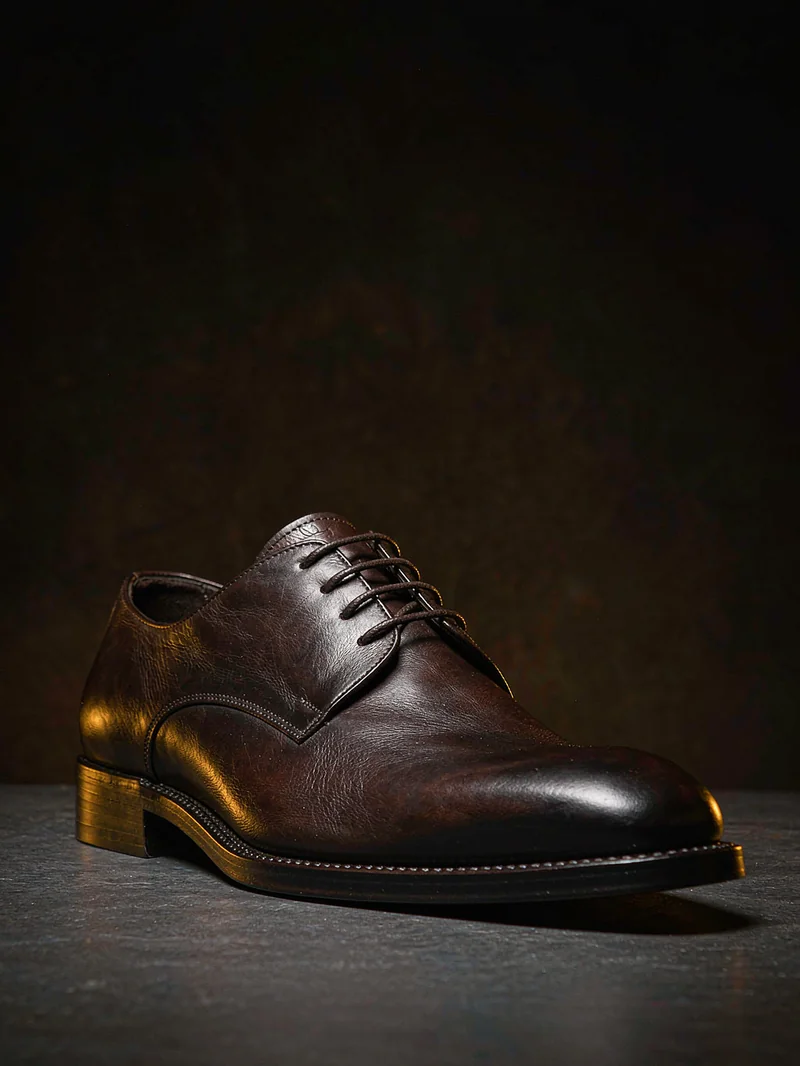
Zhosie is based in Luoyang, in Henan province, in central China — a city better known for its ancient grottoes and its peonies than for leather. We stayed because the craft was already here. Before there were bags and belts, there were shoes, made by hand in a family workshop three generations deep.
Where Luoyang is
Luoyang sits on the middle reaches of the Yellow River in western Henan, roughly 120 km west of the provincial capital Zhengzhou. It is one of China's oldest continuously inhabited cities — a capital under more than a dozen dynasties — and the Longmen Grottoes just south of the city have been cut into the limestone cliffs for over fifteen hundred years.
Our atelier is in Luolong District, on the south side of the river. It is a working workshop rather than a showroom, and it is where every piece is cut, stitched and finished.
Why a leather workshop ended up here
Not by strategy. Henan has a long manufacturing tradition in footwear and leather goods, and the people around us were already cutting uppers and finishing soles for orders that shipped to Europe and beyond. When we decided to build an atelier of our own, the skills we needed were within walking distance, and the standard they were held to was one we had grown up with.
That inheritance is the reason the workshop is organised the way it is. One artisan takes a piece from the first cut to the final burnishing of the edges, across 47 individual steps. It is slower than an assembly line, and it is also the only way we know to keep a material as variable as full-grain leather consistent.
Three generations of hands
Our know-how did not start with a business plan. It started with a grandfather who could tell you, by feel, how a hide would bend and where it would wear. That instinct — read the leather before you cut it — is the first thing we teach, and the last thing you can fake.
What the workshop actually does
Most days look the same, and that is deliberate:
- Selecting. Hides are inspected and folded by hand before anything is cut. We are reading for grain tightness, for how the leather creases, and for how quickly it recovers — the same judgement footwear demands.
- Cutting. Panels are cut by hand, and the placement on the hide is chosen for the part each piece has to play: a strap that will carry load gets the densest area, a gusset that needs to drape gets a softer one.
- Skiving and edge work. Edges are thinned, then burnished and sealed by hand. This is slow, and it is the detail that separates a piece that frays in a year from one that does not.
- Stitching and assembly. One person, start to finish, with the tolerances we learned in footwear — measured in millimetres.
Tan-selecting for the job
We do not use one leather for everything, because the same material is not right for two different jobs.
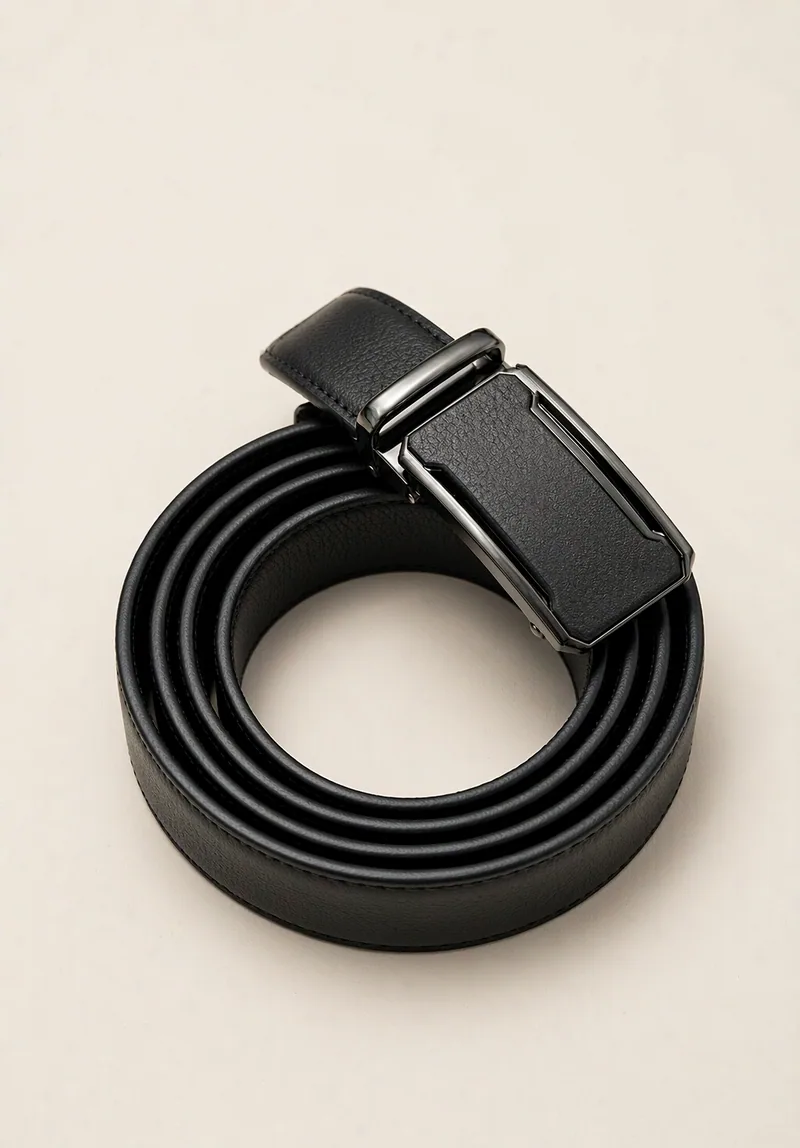
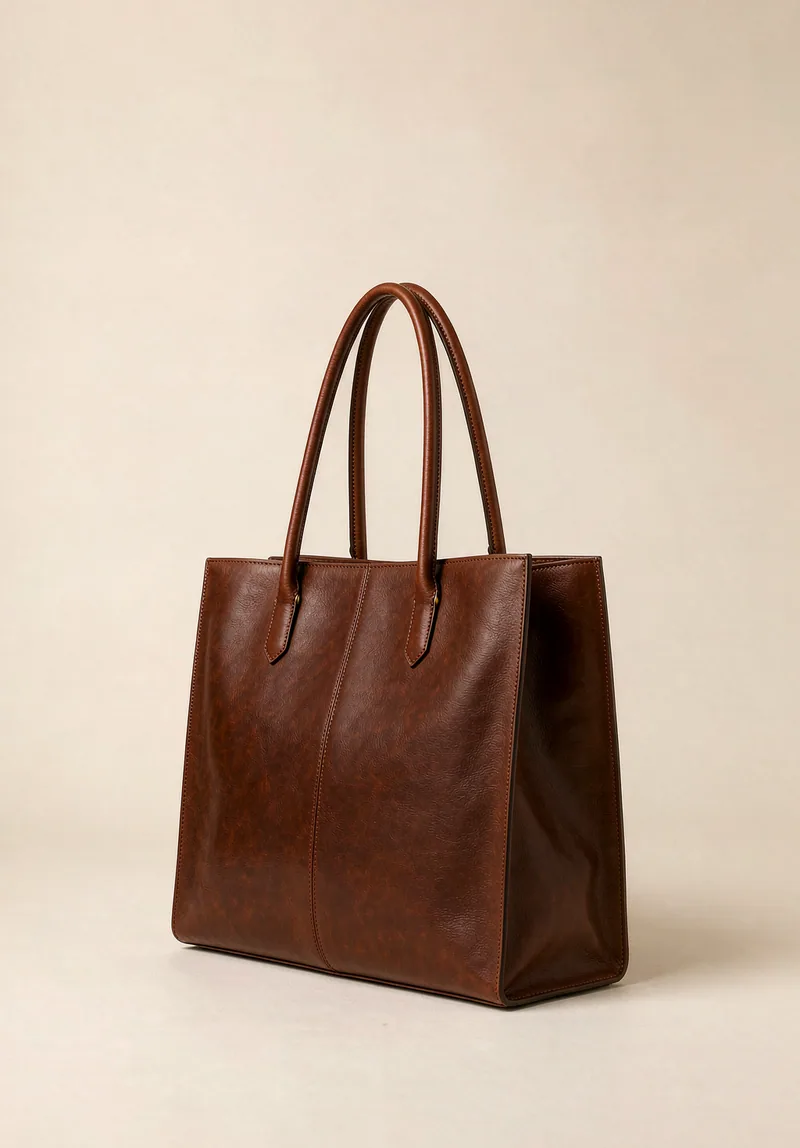
Belts are cut from firm, vegetable-tanned full-grain hides at 4 mm and thicker, because a belt is a tension product and needs dense fibre so the holes do not elongate. Bags use top-grain and full-grain chrome-tanned leather, chosen for drape and for lower empty weight — in something you carry, the extra weight of a heavier leather costs more than its extra durability returns.
Old city, patient work
Luoyang moves at a pace that lets a piece be finished properly. We cut full-grain hides by hand, tan-select for the job, and build each order one at a time. The atelier is not a showroom; it is where the work happens, and where every Zhosie piece is made to last a lifetime rather than a season.
Getting in touch
We are a small workshop and we answer enquiries directly rather than through a form. The fastest route is WhatsApp; email works too if you would rather send photographs or measurements.
See where the craft began in our story of three generations of shoemaking, or read why we work in full-grain leather.