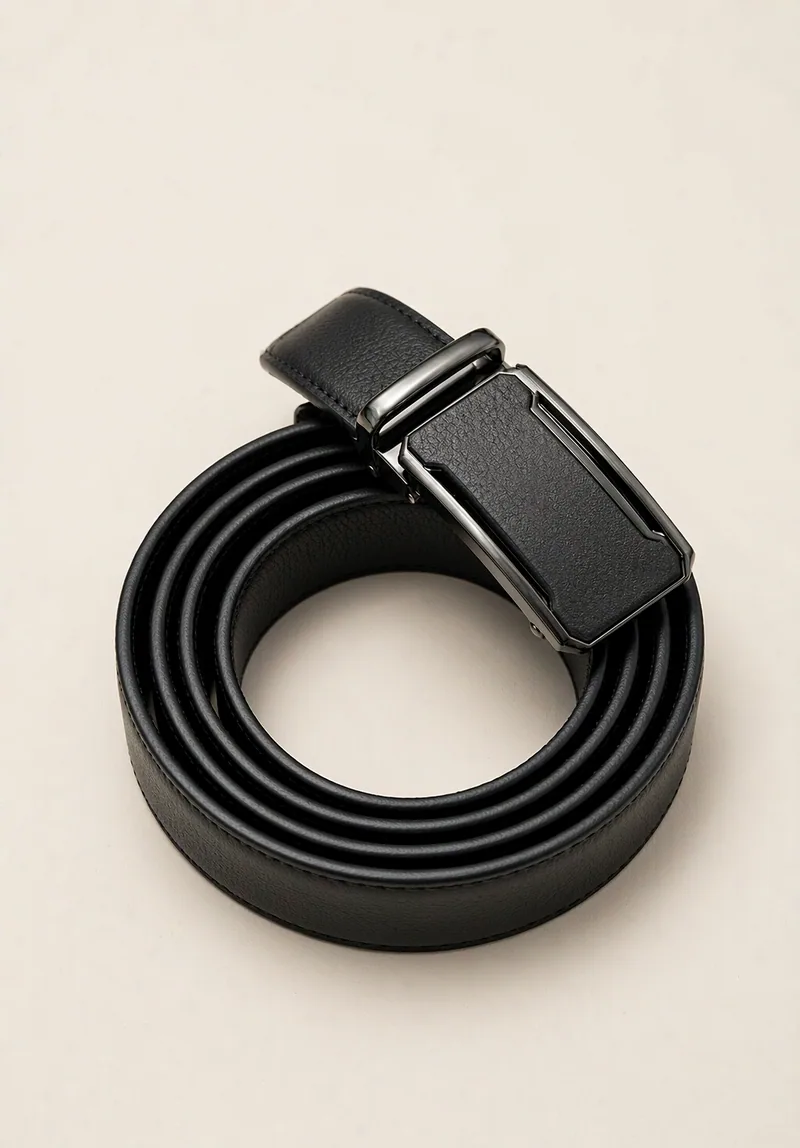
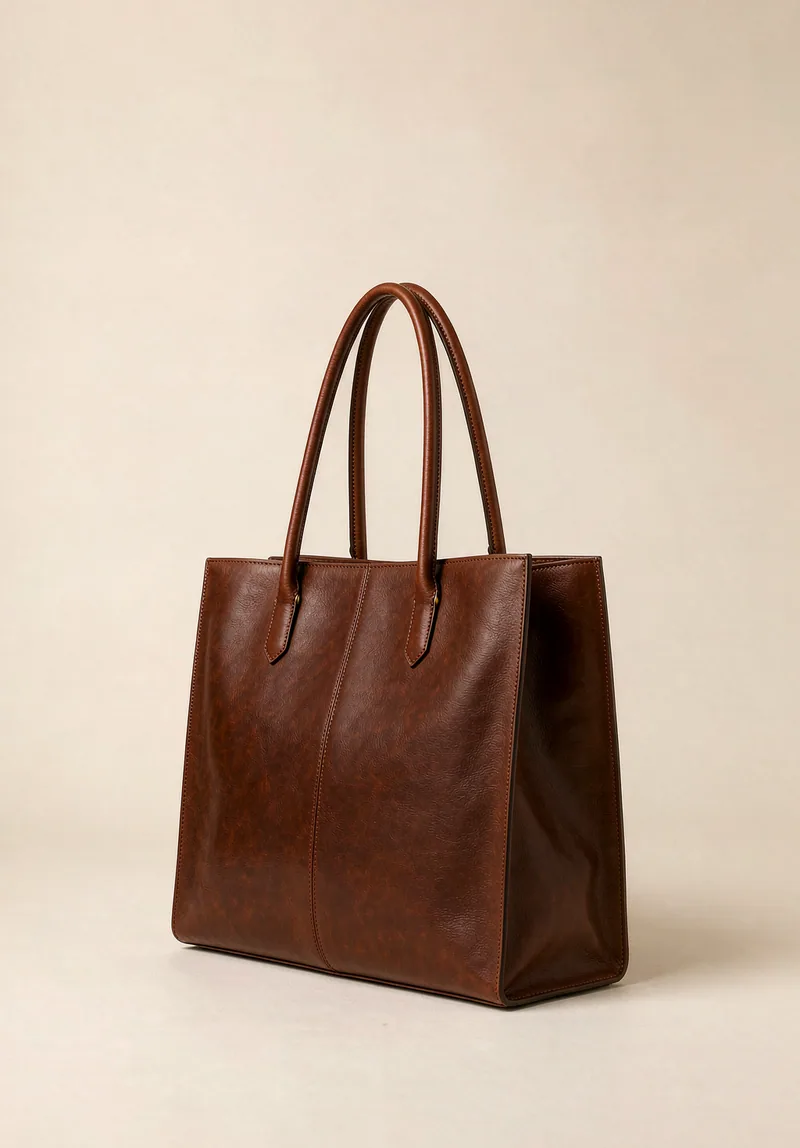
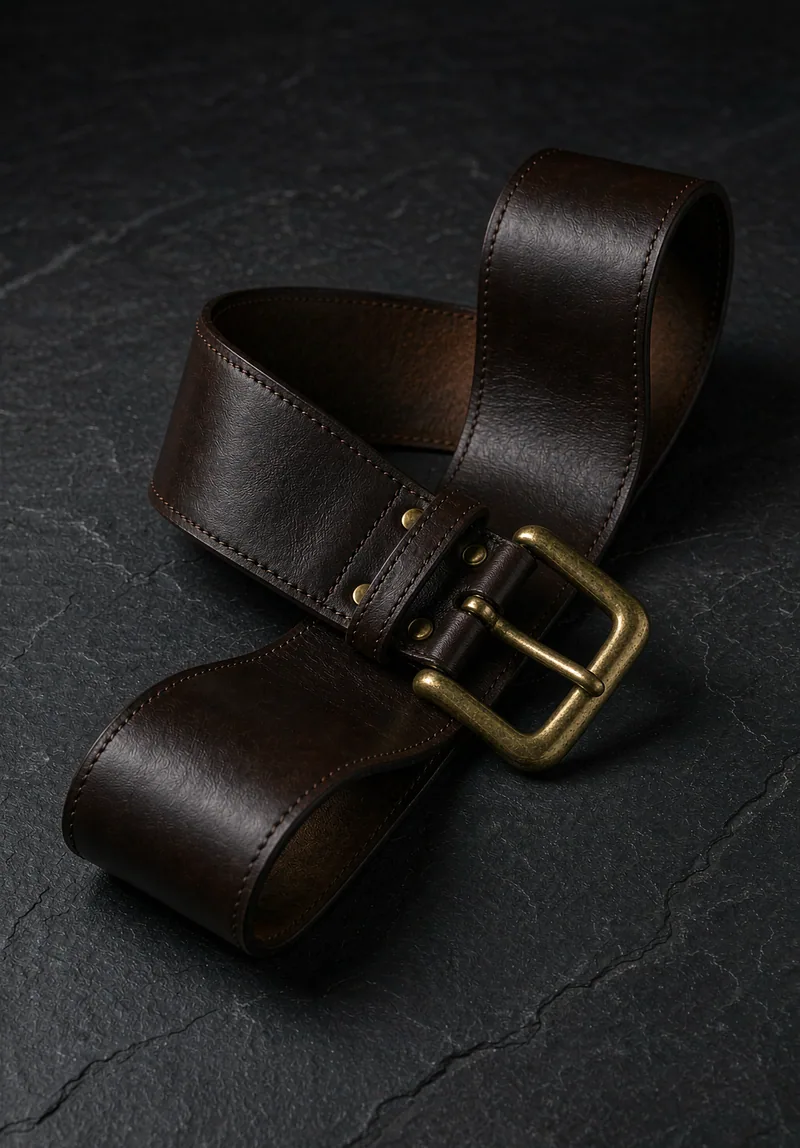
Two hides can look almost identical in a shop and behave nothing alike for the next ten years. The difference is not the animal and not the grade — it is the tannage: how the hide was turned into leather. The two processes you will actually meet are vegetable tanning and chrome tanning. Here is what each one means, how they compare, and how to choose between them without guessing.
What "vegetable-tanned" actually means
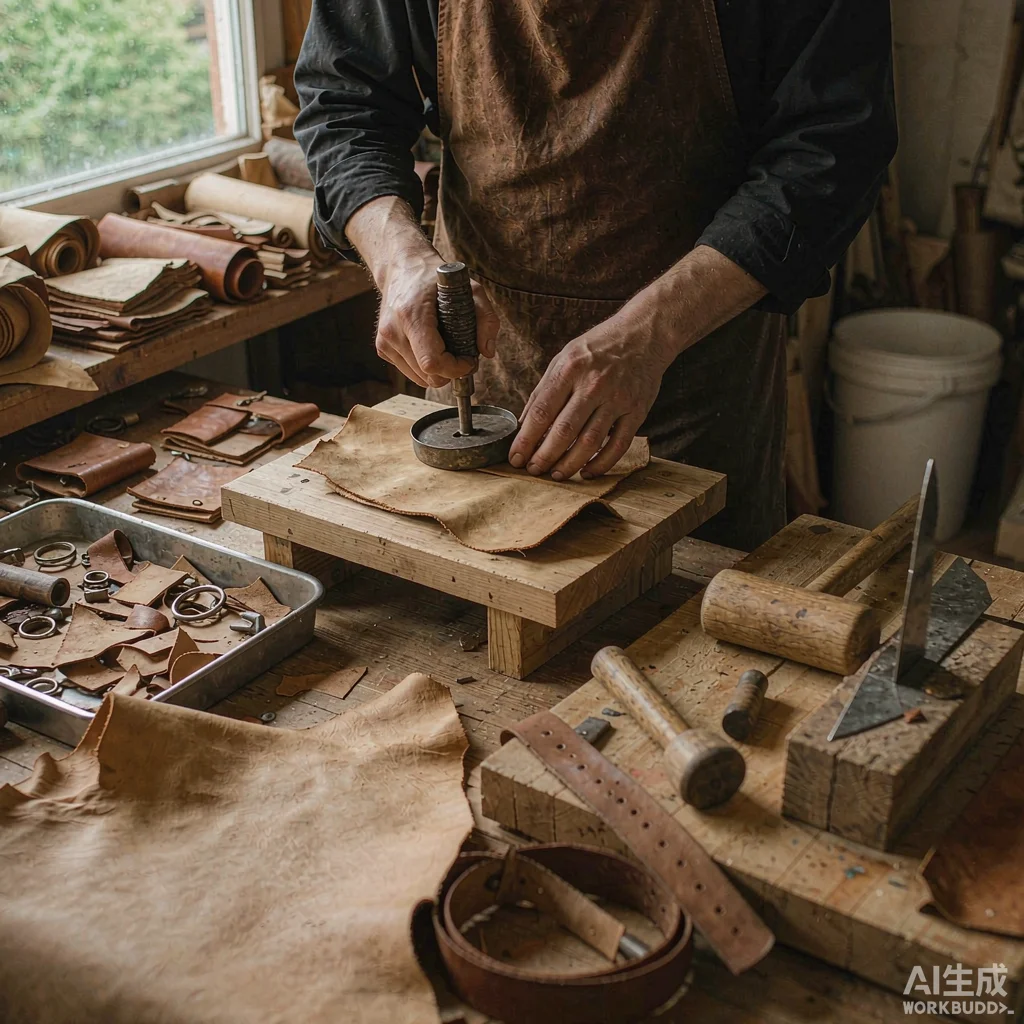
Vegetable-tanned leather is tanned with natural tannins pulled from tree bark, leaves, and roots — oak, chestnut, quebracho, mimosa. The process is slow: a hide sits in progressively stronger baths for weeks, sometimes longer, and uses no heavy metals. The result is a firm, dense leather that starts pale tan, darkens in sunlight, and picks up a patina from your hands and the oils in your skin. It smells earthy, like a forest floor after rain. Because it is stiff and holds its shape, it is the leather of belts, saddles, soles, and goods that are meant to be structural.
What "chrome-tanned" actually means
Chrome-tanned leather is tanned with chromium salts, usually in a rotating drum, in a matter of hours rather than weeks. It is the dominant tannage in the world today — roughly 80 to 90 percent of leather made. The result is soft, supple, water-resistant, and color-stable. It does not darken in the sun and it does not stiffen with age, which is exactly what you want in something that bends and folds every day: a handbag, a jacket, upholstery. The trade-off is that it lacks the living, changing surface of veg-tan — it will not develop the same deep, personal patina.
Side by side: the six things that change how you use it
| Property | Vegetable-tanned | Chrome-tanned |
|---|---|---|
| Time to tan | Weeks | Hours |
| Hand-feel | Firm, structured | Soft, drapes |
| Water resistance | Low — absorbs water | High — beads water |
| Aging | Patina, darkens, personalizes | Holds color, stays consistent |
| Environmental profile | No heavy metals; biodegradable | Chromium needs strict, controlled handling |
| Best use | Belts, soles, saddlery, structural goods | Handbags, garments, upholstery |
Why we use veg-tan for belts and chrome-tan for handbags
This is the part most guides skip, and it is the part that matters. A belt sits under constant tension and flexes at the buckle a thousand times a month. It needs a leather that holds a hole and keeps its shape — that is vegetable-tanned full-grain, cut at 4 mm and thicker. A handbag, by contrast, is a drape product: it opens, slouches, and its empty weight rides on your shoulder all day. There, chrome-tan's softness and low weight win, and its water resistance is a genuine daily advantage. We pick the tannage for the job, not the trend — and we say which one is in each piece before you buy.
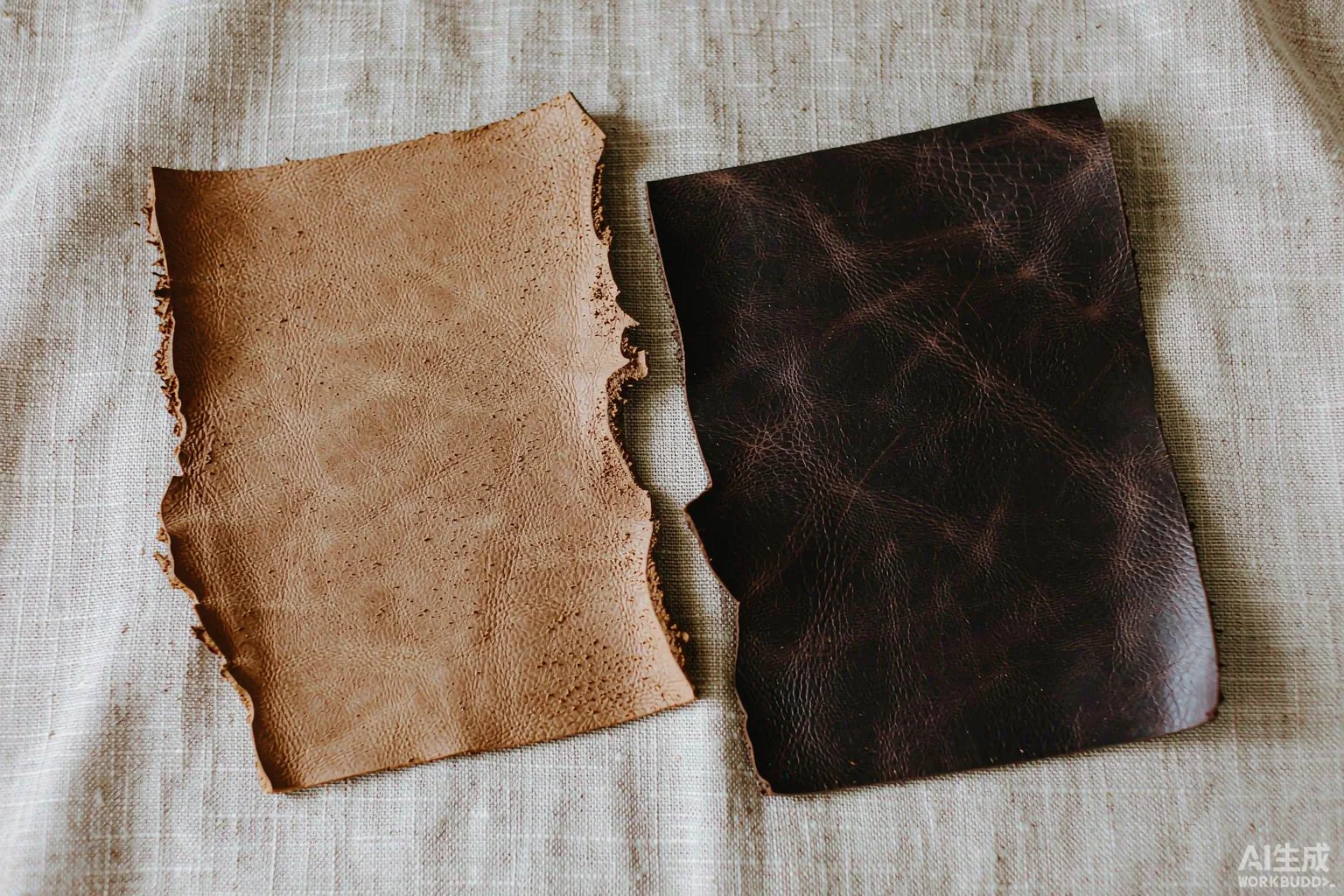
Patina vs. consistency: which ages better?
Neither is "better" — they age differently. Vegetable-tanned leather earns a patina: it darkens, softens, and records how you use it, which is why many people buy it. Chrome-tanned leather is built to stay the same; it resists fading and staining and looks new for years. Want a piece that tells your story? Veg-tan. Want one that looks identical in five years? Chrome-tan.
Water, scratches, and daily abuse
Vegetable-tanned leather is thirsty — it will water-spot and, left soaking, can stiffen or stain. Chrome-tanned leather sheds water and shrugs off a spilled coffee. For everyday carry in unreliable weather, chrome-tan is the lower-maintenance choice. Neither likes heat: dry either one with a hairdryer or radiator and you will crack it. Let wet leather dry slowly, away from direct heat.
Care: two different routines
Vegetable-tanned, untreated: condition it twice a year, in spring and autumn, with a small amount of neutral balm. Chrome-tanned, finished: wipe with a barely damp cloth and condition once a year. In both cases, stuff a handbag with tissue when you store it so it keeps its shape, and keep it out of direct sun for long periods — sun is what fades chrome-tan and over-darkens veg-tan.
Frequently asked
Is vegetable-tanned leather better than chrome-tanned?
For structure, patina, and an all-natural process, yes. For softness, water resistance, and daily low maintenance, chrome-tan is better. "Better" depends on what the object has to do.
Does vegetable-tanned leather last longer?
It often outlasts chrome-tan in structural uses (belts, soles) because it is denser and holds its shape. In a handbag, a well-made chrome-tan piece will comfortably outlast the trend that made you buy it.
Is chrome-tanned leather bad for the environment?
It uses chromium, which is hazardous if a tannery discharges it untreated. Responsible tanneries recover and recycle the chromium in a closed loop. Vegetable tanning avoids heavy metals entirely and the leather is biodegradable at end of life.
Can you tell veg-tan from chrome-tan by smell?
Often, yes. Veg-tan smells earthy and woody; chrome-tan has little to no scent. Color and stiffness are more reliable tells: pale and stiff usually means veg-tan, soft and uniformly colored usually means chrome-tan.
Which should I buy?
Match the tannage to the job. Choose vegetable-tanned for belts and anything that must hold its shape; choose chrome-tanned for handbags and things that move with you. If you want help choosing a leather for a specific piece, message us on WhatsApp and we will talk through it.
The short version
Vegetable-tanned leather is the slow, natural, structured, patina-prone choice — right for belts and goods that must hold their shape. Chrome-tanned leather is the fast, soft, water-resistant, color-stable choice — right for handbags and things that move with you. Pick the tannage for the job and the leather will still be good a decade from now. For the other half of the leather story — why "full-grain" is not the same as "genuine" — read our guide to leather grades.