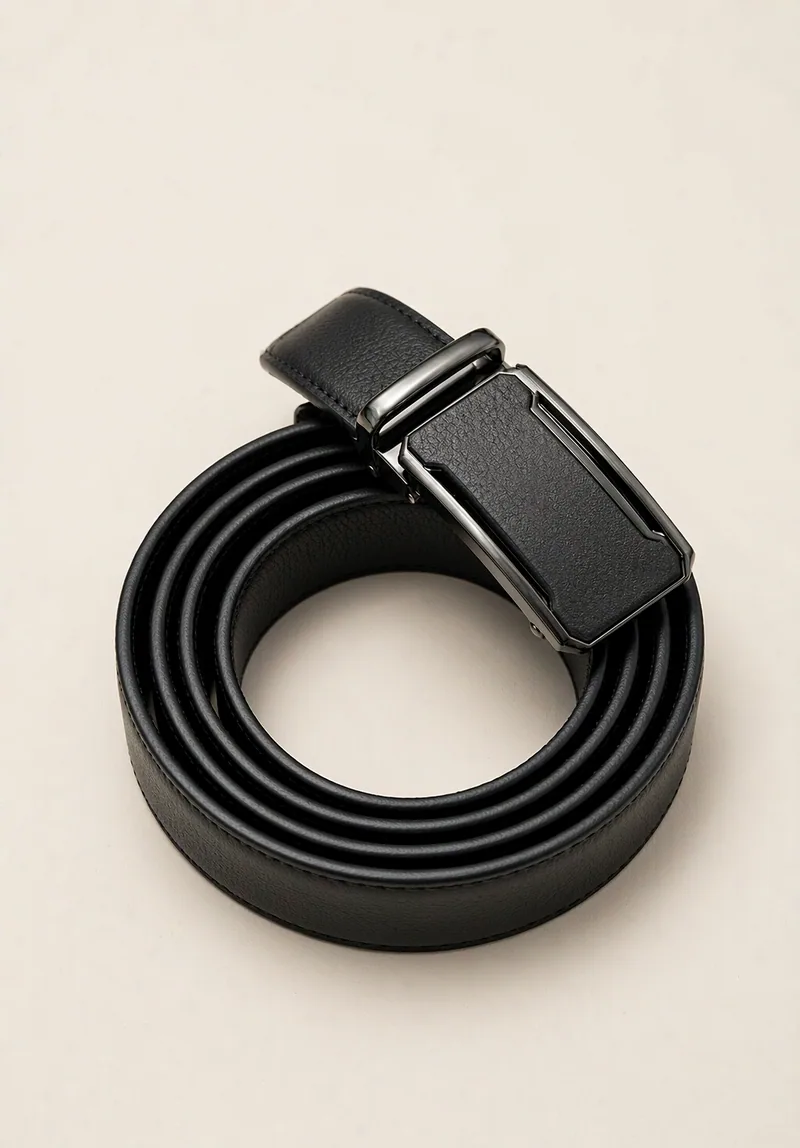
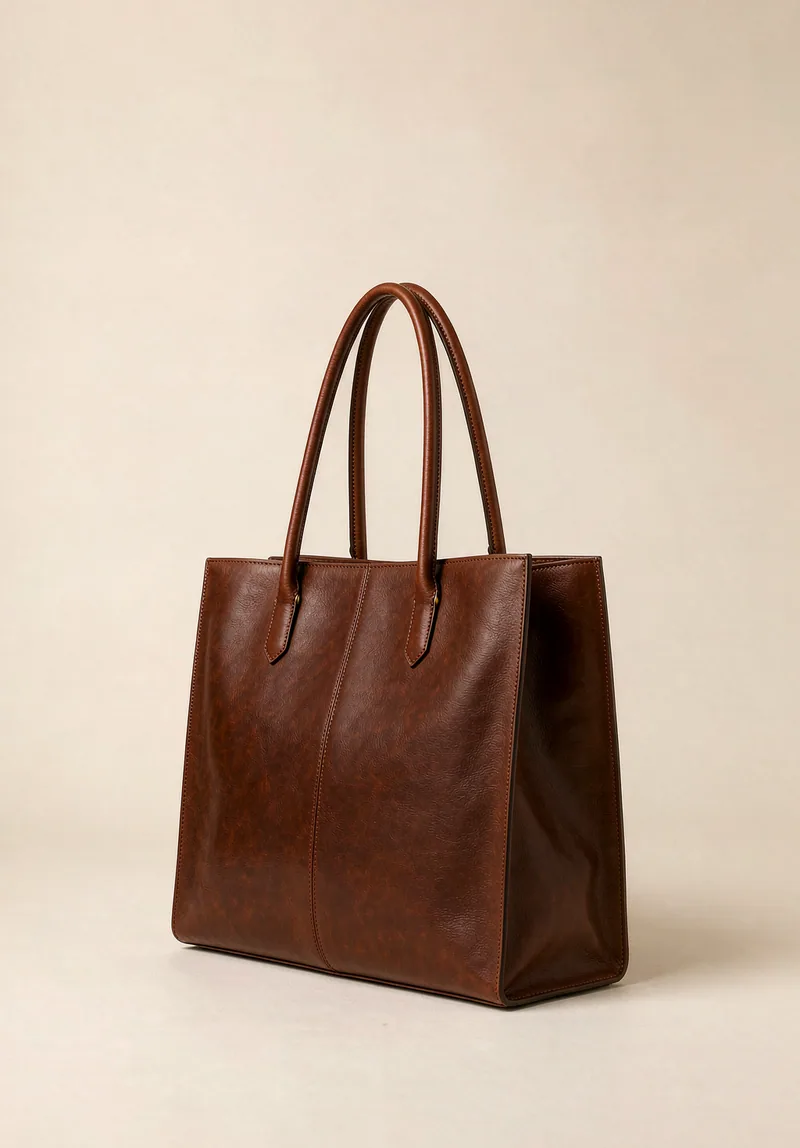
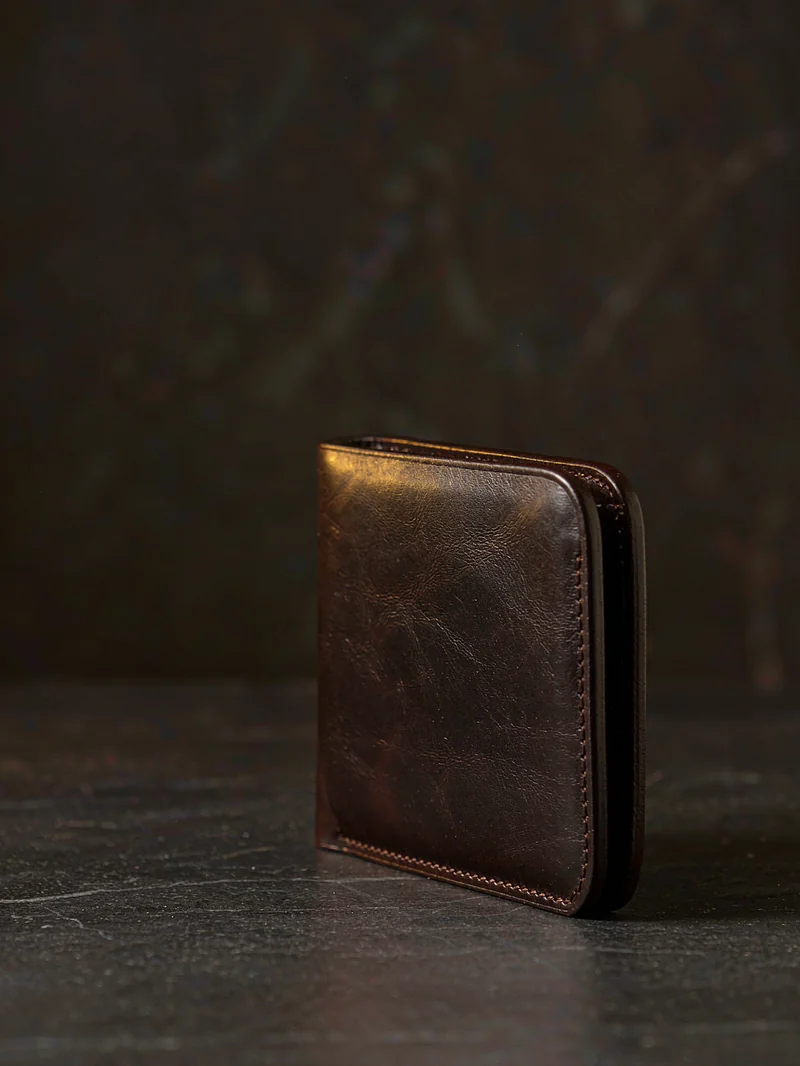
The short answer: choose the format by what you actually carry, then choose the leather by how long you want it to last. If you carry more than six cards plus notes, a bifold is the practical default; if you carry four cards and a phone, a card holder is lighter and sits flatter. In both cases, full-grain leather outlasts every alternative.
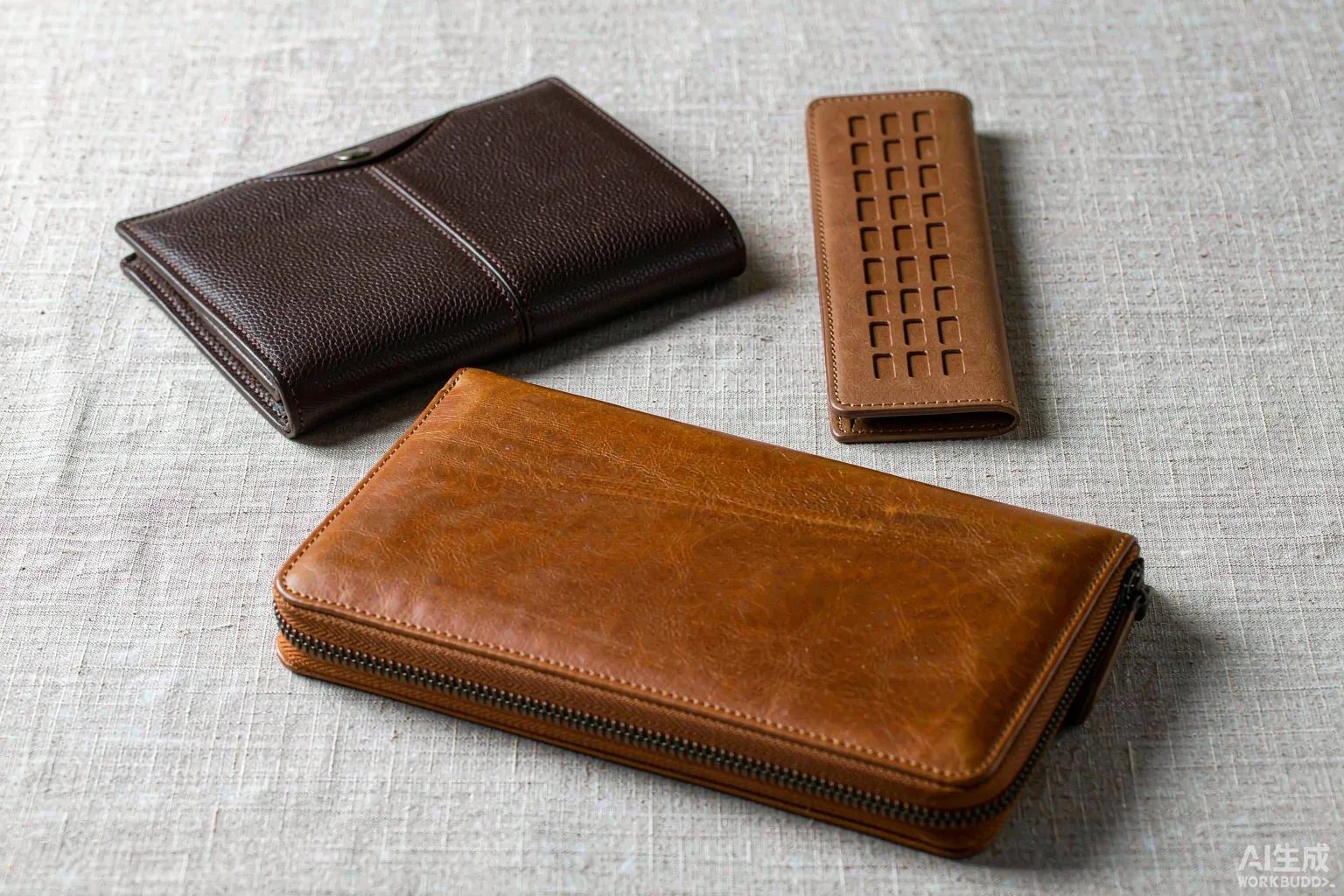
Wallets are bought badly more often than any other leather good, because people choose by appearance and then live with the wrong capacity for years. Start with the contents, not the look.
Step one: empty your wallet and count
Before looking at anything, tip out what you carry. Count cards, count notes, check whether receipts and coins have accumulated. The number you get is the only specification that matters.
Wallet formats compared
| Format | Best for | Pocket feel | Watch out for |
|---|---|---|---|
| Card holder | 2–6 cards, folded notes | Flattest and lightest | No room if your carrying grows |
| Bifold | 6–12 cards, notes flat | Slim in a back pocket | Becomes bulky when overfilled |
| Trifold | Many cards, coins | Thickest when closed | Doubles the fold wear on the leather |
| Zip wallet | Coins, travel documents | Large, structured | Zips are the first thing to fail |
| Long wallet | Notes flat, many cards | Bag item, not a pocket item | Does not fit a trouser pocket |
Why bifolds remain the default
A bifold holds enough for most people while staying thin enough for a trouser pocket. It has one fold, which means one stress line across the leather — a trifold has two, and those fold lines are where the finish cracks first. If you are unsure, a bifold is the lowest-regret choice.
When a card holder is better
If you have moved most of your cards to your phone, a card holder removes bulk you no longer need. It sits flatter than any folding wallet and distorts less, because there is no fold at all.
Step two: choose the leather
The same grades apply here as anywhere else, but the consequences are sharper, because a wallet is compressed in a warm pocket all day.
- Full grain: the strongest option and the one that develops a patina. It is firmer at first and softens with use.
- Top grain: sanded for a uniform surface, slightly softer from new, a little less durable at the fold.
- Bonded or coated: avoid for a wallet. Compression and heat are exactly the conditions under which a bonded surface peels.
Chrome-tanned leather is the usual choice for wallets, because it is softer and more colour-stable in a small item that is handled constantly. Vegetable-tanned leather is firmer and darkens more noticeably — excellent in a belt, sometimes too stiff in a wallet that has to flex open dozens of times a day.
Step three: check the construction
These are the details that determine whether a wallet lasts three years or fifteen.
- Stitch density and thread. Even, tight stitching with no skipped stitches. Loose or uneven stitching is where a wallet opens up.
- Edge finishing. Burnished and sealed edges resist the fraying that pocket lint and friction cause. Raw, unsealed edges on a wallet will fuzz.
- Card slot tension. Slots should be snug when new. Leather relaxes slightly, so a slot that is loose on day one will not hold a card in a year.
- Lining. A smooth lining lets cards slide out; coarse fabric lining wears the cards and the leather.
How to make a wallet last
- Do not overfill it. This is the single biggest factor.
- Take it out of your pocket at the end of the day and let it air.
- Keep it out of the back pocket if you sit for long periods — sustained pressure on a folded wallet deforms the leather and is genuinely uncomfortable.
- Condition it lightly once or twice a year.
Frequently asked questions
What is the best type of wallet for everyday use?
For most people, a bifold in full-grain leather. It carries six to twelve cards plus notes, fits a trouser pocket, and has only one fold line, which is where leather wears. Move to a card holder if you carry fewer than six cards.
How many cards should a wallet hold?
Capacity should match what you carry with a little spare. A wallet designed for six cards will bulge and stretch if you force ten into it — and stretched leather does not return to shape.
Is full-grain or top-grain leather better for a wallet?
Full grain is stronger and ages better, but is firmer initially. Top grain is softer from new and more uniform in appearance. For a wallet that is opened constantly, either works; full grain lasts longer, top grain feels softer sooner.
Why does my wallet bulge even with few cards?
Usually accumulated receipts, loyalty cards and coins. Empty it completely and reload only what you use in a normal week — most people carry roughly twice what they need.
Do leather wallets stretch?
Yes, slightly, and the stretch is permanent if the wallet is overloaded. Full-grain leather resists it best. A wallet that has been overfilled for months will not return to its original tension even after it is emptied.